 Business License
How to Choose a Mattress for Better Sleep
Determine Your Budget
The average American spends roughly 36 years lying in their bed , making a mattress one of the highest-contact purchases most people will make.
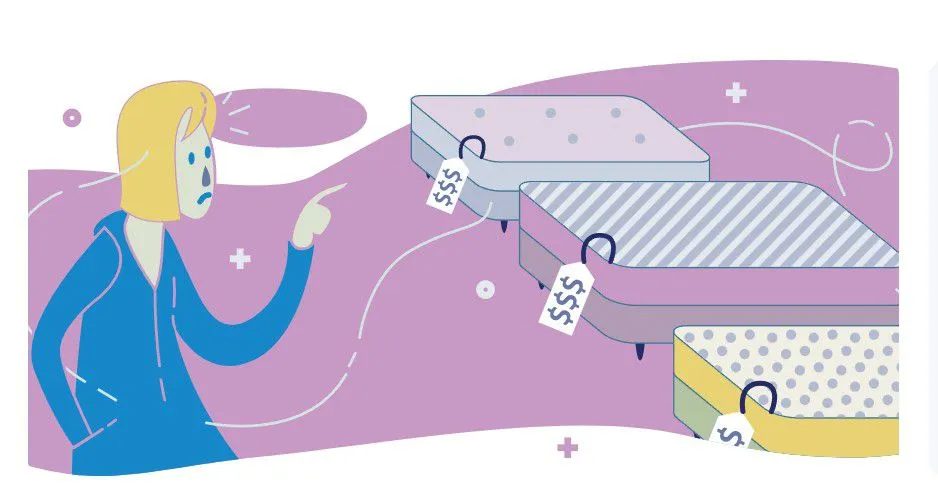
Before embarking on your journey to pick the perfect mattress, it’s important to first consider how much you’re willing to spend on a new mattress. Keep in mind that you usually spend the most time everyday on your mattress. In fact, research shows that over the course of a lifetime, the average American spends an estimated 36 years lying in their bed. For this reason, investing in a mattress that will provide you with a good night’s sleep is worth it.
Mattress prices in the U.S. range from under $500 for a basic foam twin to over $4,000 for a luxury hybrid king — and the right budget depends more on mattress type than on brand. As a baseline, plan to spend at least $800–$1,000 on a queen-sized mattress that will last 7–10 years. Anything significantly below that threshold typically uses lower-density foam that compresses within 2–3 years.
Foam
$500-$1,800 for a queen. Tend to be the most motion-isolating option; best for solo sleepers or couples where one partner is a light sleeper.
Innerspring
$500–$1,400 for a queen. More breathable and bouncy than foam; less effective at motion isolation.
Hybrid
$1,200–$3,000+ for a queen mattress. Combines foam comfort layers with a pocketed coil base; the fastest-growing mattress category in the U.S.
Latex
$1,500–$3,500 for a queen. The most durable standard type, often lasting 12–15 years; available in natural, synthetic, or blended versions.
Airbed
Plastic mattresses filled with air—typically cost between $100 to $300.
Mattress thickness — also called profile — typically ranges from 6 to 14+ inches and is one of the main drivers of price, since thicker mattresses require more material. Thickness does not directly determine comfort, but it does determine how much design room manufacturers have to build in comfort and support layers.
A useful rule: mattresses under 8 inches tend to be suitable only for children or short-term guest use. Adults, particularly side sleepers, typically sink 4–5 inches into a mattress; a 6-inch mattress will bottom out under that load.
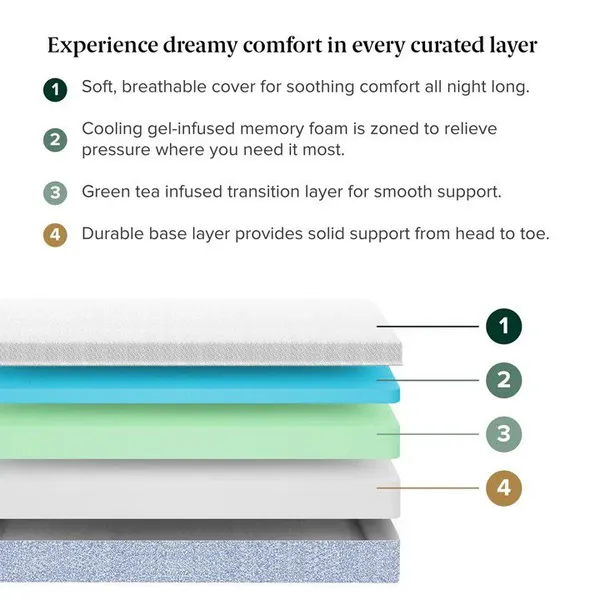
Because thicker mattresses require more material, they’re automatically more expensive than thinner alternatives. Most often, mattresses comprise at least two layers. Mattresses of higher quality, however, often have a more intentional design and may have four layers or more.
So how does one gauge the best thickness for their sleeping needs? Well, we’ve got a chart to help you navigate how to pick a mattress.

12 inches and above
Deep/Thick Mattresses
These mattresses are extra deep and often considered a luxurious choice. Our most luxurious mattresses like the Dream Max and Snow Max fall within the deep profile. They are both designed with unique comfort layers composed of different materials that increase the durability, support, and comfortability of the mattress.
8 to 11 inches
Medium or Standard Profile Mattresses
These mattresses are lush and supportive and generally suited for all sleeping types. The One has a standard profile and is the perfect addition to any bedroom.
Less than 6 inches
Low Profile Mattresses
Realistically, mattress buyers should not buy a mattress that’s less than 6-inches thick—they have very few design capabilities to provide adequate support and pressure relief. Side-sleepers will usually sink about 5 inches into the mattress, which means a 6-inch mattress would bottom out. Low profile mattresses may work for younger children who may not sink into the mattress much or for short term use in guest rooms. However, low profile mattresses are not ideal for long-term comfort.
Recently Posted
-
Comforter vs Duvet: Which Bedding Choice Works Best for Your Bedroom in 2026?
August 24, 2026A comforter is a finished quilted layer that sits on the bed ready to use. A duvet insert needs a separate cover before it goes on Read More
 -
The Cooling Pillow Built to Stay Cool All Night
August 16, 2026The Cooling Pillow Built to Stay Cool All NightHow the Mellowsleep Cooling Pillow Keeps You CoolThe Mellowsleep cooling pillow sta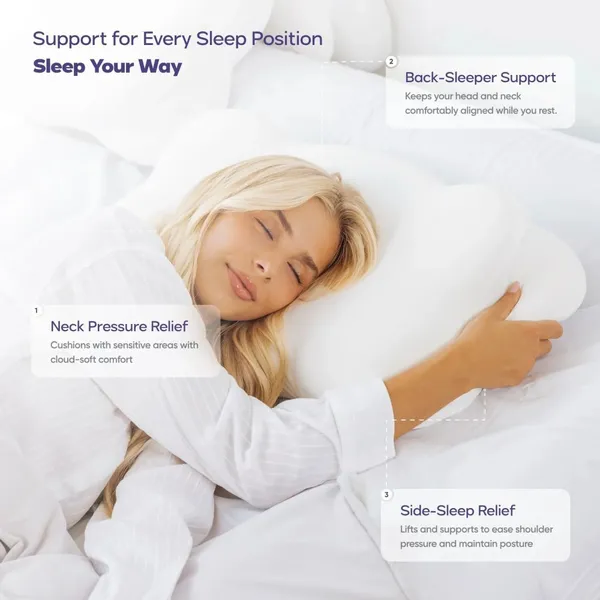 Read More
 -
The Best Pillow for Neck Pain Side Sleepers in 2026
August 16, 2026The Best Pillow for Neck Pain Side Sleepers in 2026Side sleepers with neck pain need a pillow that fills the gap between the head Read More
 -
Cooling Pillow vs Memory Foam Pillow: Which One Keeps You Comfortable All Night in 2026?
August 16, 2026Cooling Pillow vs Memory Foam Pillow: Which One Keeps You Comfortable All Night in 2026?What Is the Difference Between a Cooling P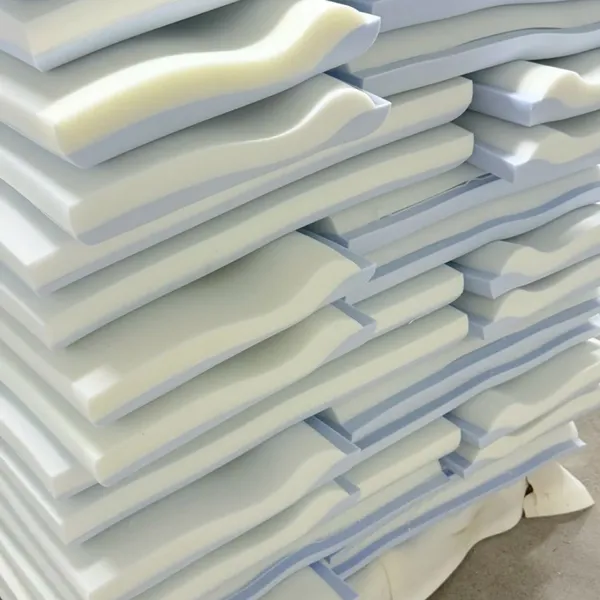 Read More

Contact Us

Recommended Products



-
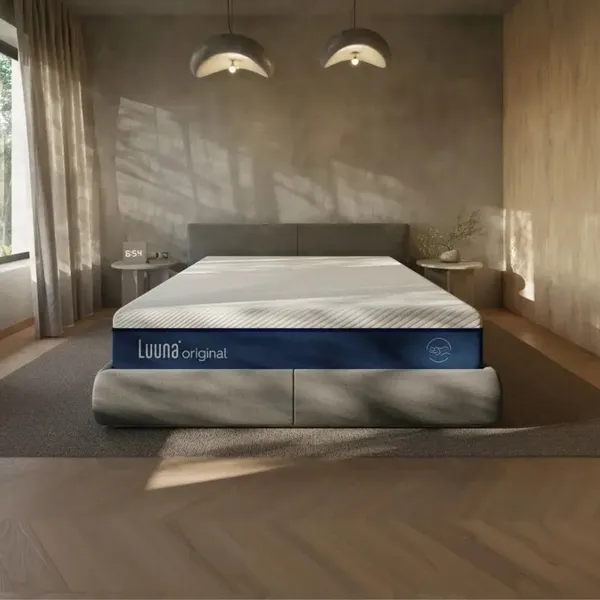
 Colchón Original LuunaNegotiableMOQ: 100 Pieces
 -
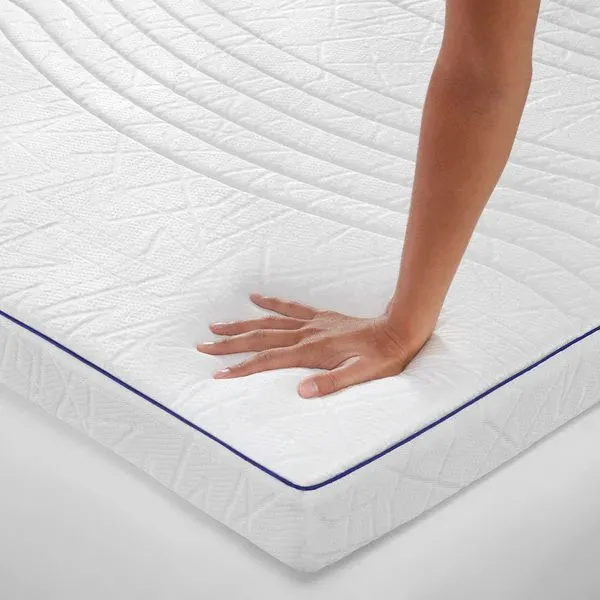
Space Foam Cooling Mattress TopperNegotiableMOQ: 100 Pieces
-
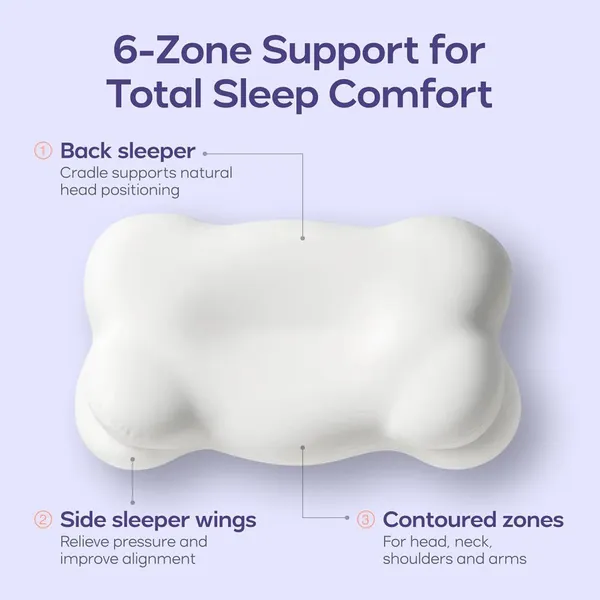
Space Foam Zero Gravity Foam Cooling PillowNegotiableMOQ: 1000 Pieces
-
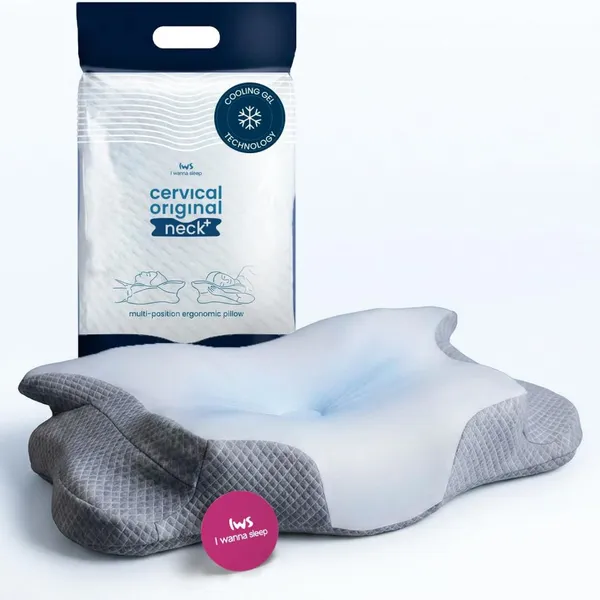
IWS I WANNA SLEEP Cervical Original Neck Plus Gel Premium Ergonomic Memory Foam Cooling Pillow for Neck Pain ReliefNegotiableMOQ: 1000 Pieces
-
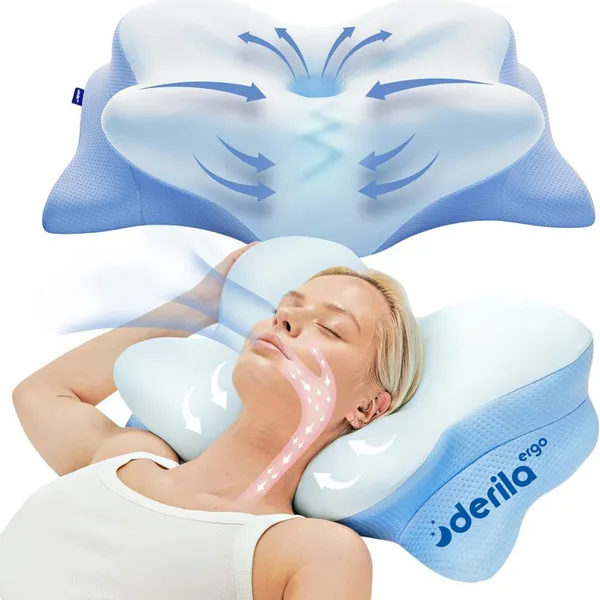
Derila Ergo Cervical Neck Pillow for Sleeping Pillow Contour Memory Foam Pillows for Back, Side Sleeper PillowsNegotiableMOQ: 1000 Pieces
-
Weekender Cooling Gel Memory Foam Pillow for Sleeping – Queen Size, Ventilated Cooling Pillow for Side & Back SleepersNegotiableMOQ: 1000 Pieces
-
BODYGUARD Memory Foam PillowNegotiableMOQ: 1000 Pieces
-
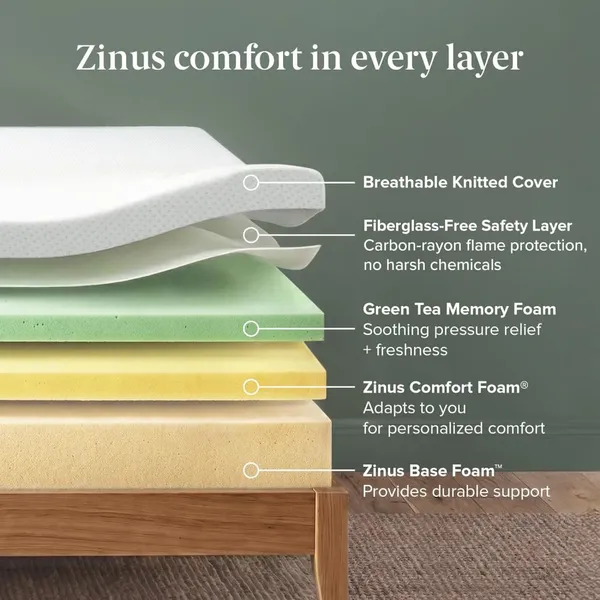
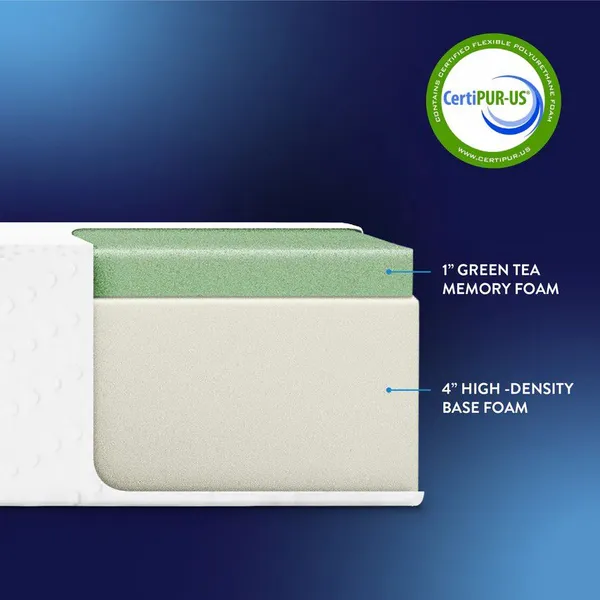
Green Tea Memory Foam MattressNegotiableMOQ: 100 Pieces
-
5" Green Tea Memory Foam MattressNegotiableMOQ: 100 Pieces
-
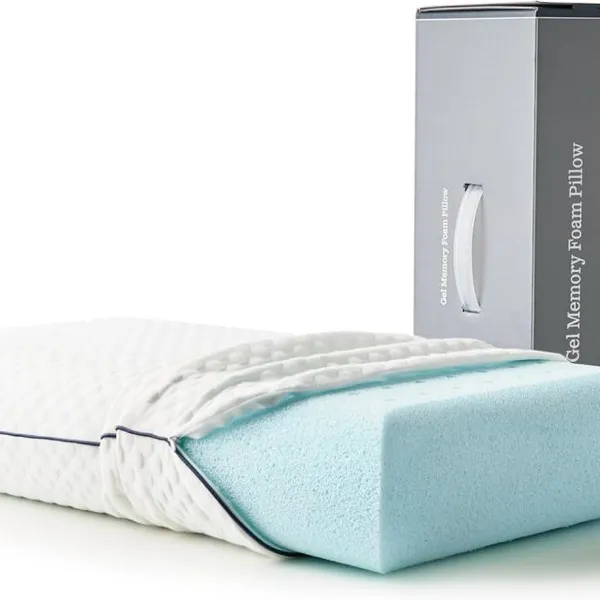
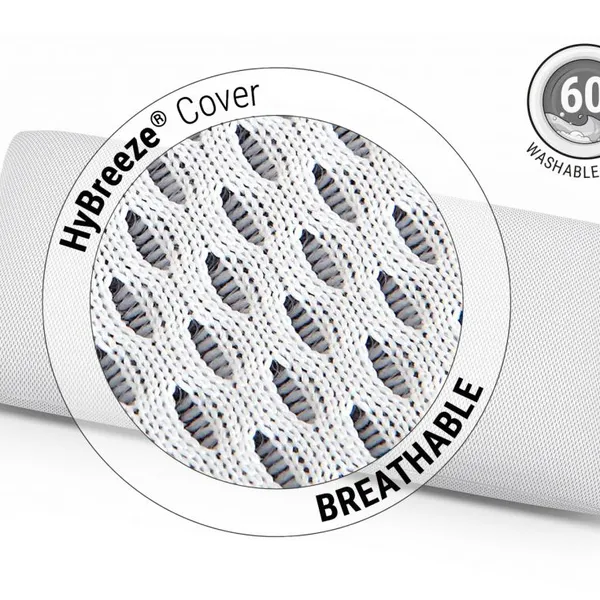
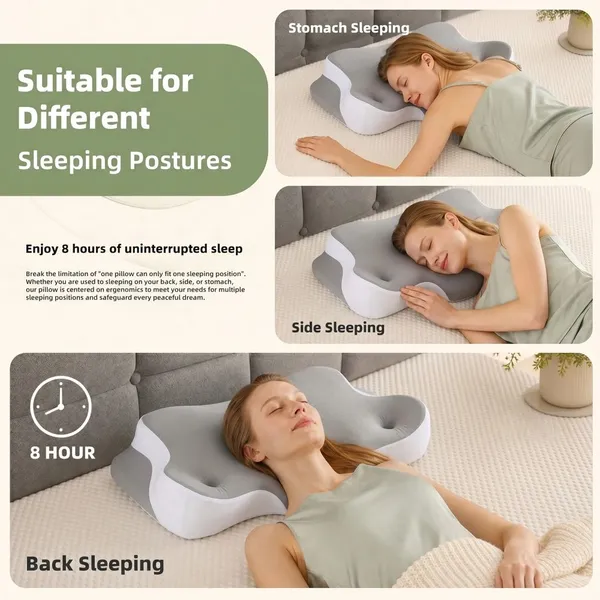
Cervical Ergonomic PillowNegotiableMOQ: 1000 Pieces
-
Memory Foam Pillow-Roll PackNegotiableMOQ: 1000 Pieces
-
Ultra Slim Gel Memory Foam Pillow for Stomach and Back Sleepers - Thin, Flat Design for Cervical Neck Alignment and Deeper SleepNegotiableMOQ: 1000 Pieces
-
Blackroll Recovery Pillow CollectionNegotiableMOQ: 1000 Pieces
-
Zoned Dough Memory Foam Pillow-cooling TechnologyNegotiableMOQ: 1000 Pieces
-
Cooling Green Tea Memory Foam MattressNegotiableMOQ: 100 Pieces